By Sara Jones
March 12, 2026
In recent years, the significance of play in child development has gained increased attention among educators and developmental experts. A professional childcare service plays a crucial role in fostering an environment where learning through play is not only encouraged but seamlessly integrated into the daily curriculum. This approach recognizes that children are naturally curious and that their most profound discoveries often happen when they are fully immersed in self-directed activity.
This article explores the multifaceted ways a childcare service encourages learning through play and the diverse benefits it offers for early childhood development. By transforming playtime into an intentional educational tool, these centers help children build the cognitive, social, and emotional foundations necessary for future academic success and personal well-being.
Understanding the Importance of Play in Child Development
Play is often perceived as a simple leisure activity, but its role in cognitive development is foundational. When children engage in puzzles or building blocks, they are essentially performing early engineering and mathematical tasks. These activities encourage strategic thinking, improve memory function, and refine problem-solving skills.
Play provides a safe environment for experimentation. Children learn to negotiate rules and strategize, enhancing their ability to process information and make decisions. This exploratory nature fuels creativity, allowing young minds to innovate and imagine various scenarios. By engaging in different play activities, children enhance their cognitive flexibility, an essential skill for adapting to new situations throughout their lives.
Acquiring Social Skills in Group Settings
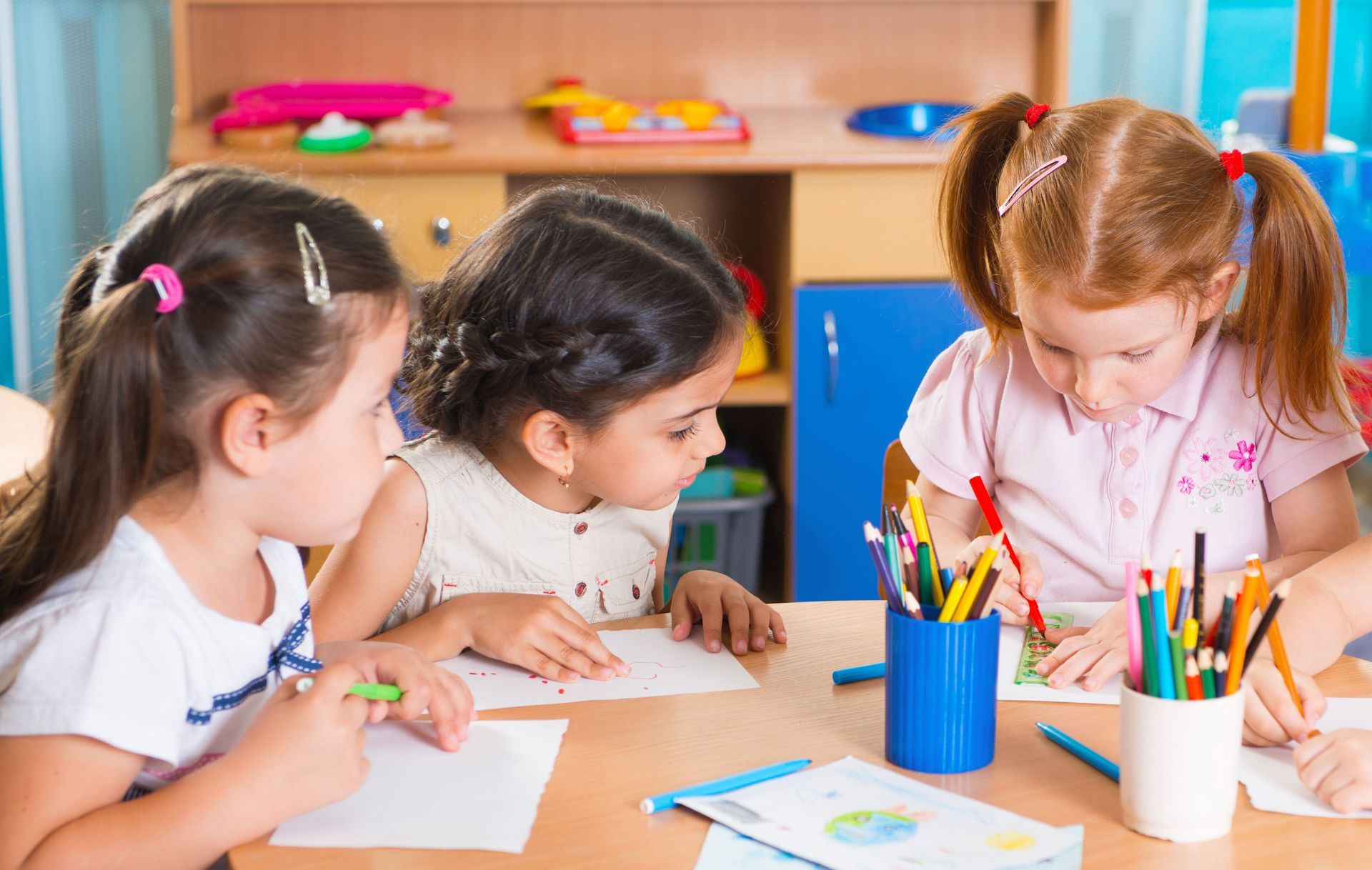
Play is instrumental in developing social skills, providing children with numerous opportunities to interact with peers. During group play, children learn essential interpersonal skills such as sharing, negotiating, and empathizing. These interactions are crucial for understanding social norms and developing healthy relationships. Collaborative activities also offer a platform for children to practice cooperation and teamwork.
Through role-play and pretend games, children learn to express themselves both verbally and non-verbally. They adopt different perspectives, which enhances their ability to understand and interpret the emotions of others. By navigating social situations during play, children develop a social understanding that informs their interactions outside the classroom.
Catalyzing Emotional Growth and Resilience
Play acts as a catalyst for emotional growth by allowing children to express their feelings freely and explore different emotional states safely. Whether it is the excitement of winning a game or the disappointment of a lost round, each emotion presents an opportunity to learn coping mechanisms. These experiences are invaluable in building resilience and emotional stability.
Play promotes self-awareness and self-regulation. By engaging in activities where emotions fluctuate, children become more attuned to their feelings and the triggers behind them. As they navigate these experiences, they are better equipped to handle stress and adapt to changes. Emotional growth through play also strengthens empathy and compassion, as children learn to see situations from their peers' viewpoints.
Benefiting Physical Health and Motor Skills
Active play significantly contributes to physical development by promoting fitness and coordination. Activities like running, jumping, and climbing enhance cardiovascular health while building strength and endurance. These physical movements also improve balance and agility.
The benefits of active play extend to bodily awareness. Engaging in diverse physical activities helps children understand their capabilities and limits, fostering self-confidence. This is why a comprehensive childcare service prioritizes daily physical engagement. Physical play also has a profound impact on mental health. Exercise is known to release endorphins, which naturally elevate mood and reduce stress levels. Children who participate in active play are often more relaxed and better able to manage anxiety, allowing them to focus more effectively on cognitive tasks throughout the day.
Supporting Diverse Types of Play in Childcare
Both structured and unstructured play have significant roles in child development. Structured play is activity-based, often with specific goals, such as a board game or a guided craft project. These activities promote discipline and focus. On the other hand, unstructured play is child-driven, offering freedom and flexibility. According to industry research by IBISWorld, the demand for high-quality early childhood programs is increasingly driven by curricula that emphasize this balance, as parents seek environments that nurture both discipline and creativity. In fact, the market size of the day care industry in the United States is $72.8 billion today.
Unstructured play encourages autonomy, allowing children to make their own decisions and solve problems creatively. Childcare centers create a holistic environment by integrating both forms so that children work within boundaries while still having the freedom to express themselves. This balance prepares children for formal education, where structured and unstructured experiences coexist.
Encouraging Imaginative and Pretend Play
Imaginative play allows children to step into different roles, leading to a deeper understanding of the world around them. When children "play house" or pretend to be doctors, they explore various social roles and scenarios. This role-playing enriches their ability to empathize and understand different perspectives. It is a mental playground where children simulate complex thought processes in a lighthearted setting.
Utilizing Sensory Play for Learning
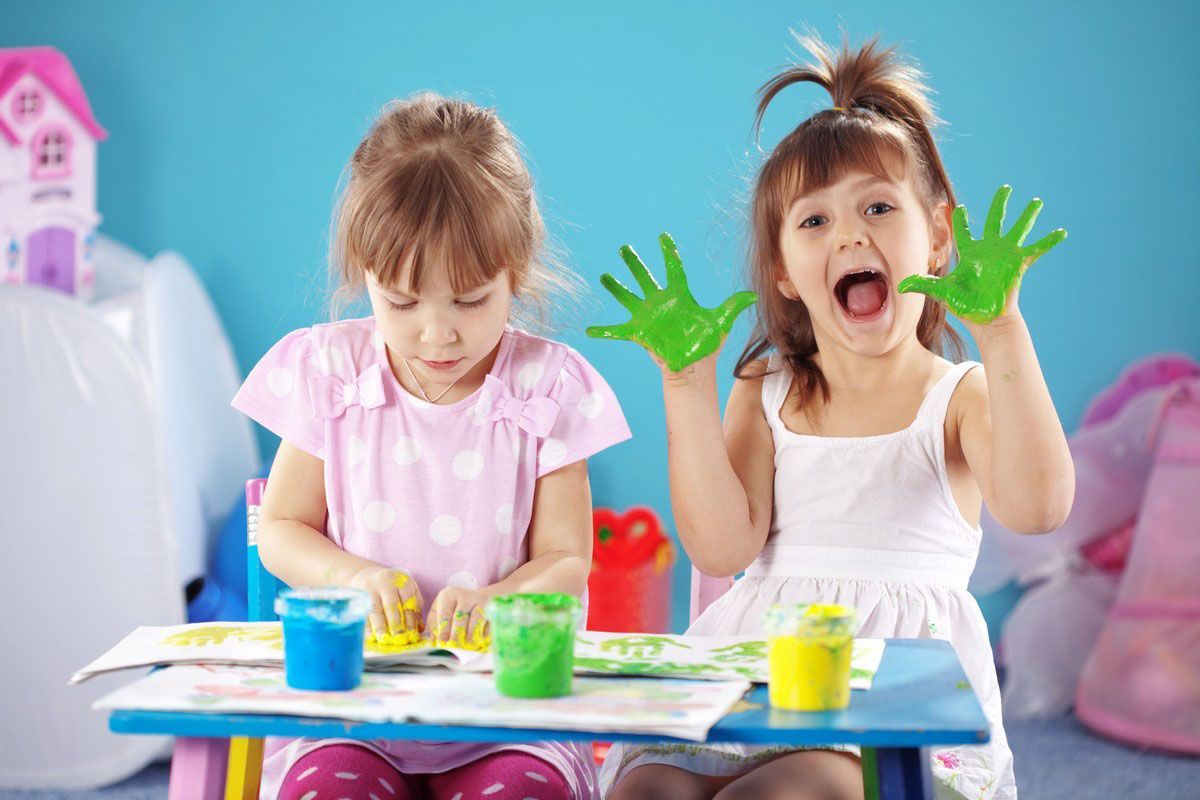
Sensory play leverages the senses to explore and learn, enriching the tactile experiences of young children. Activities such as sandplay, water games, and finger painting engage multiple senses simultaneously. These experiences encourage children to experiment with textures, temperatures, and physical properties. This immersive nature significantly impacts brain development by strengthening neural pathways associated with cognitive processing.
Facilitating Outdoor Play and Exploration
The natural world acts as a vast classroom. Outdoor play offers space for physical and mental engagement that indoor settings cannot replicate. Activities like exploring nature trails or observing wildlife bolster physical health while enhancing curiosity. Problem-solving opportunities are plentiful outdoors, where children encounter real-world challenges like navigating uneven terrain. Daily outdoor play is vital for a balanced program that blends structured learning with exploratory fun.
Faciliating the Educator’s Role in Play-Based Learning
One of the key responsibilities of educators in a childcare service is to design a space that is stimulating and safe. Layout and design are crucial, with specific areas designated for active, quiet, social, and creative activities. The space should encourage exploration while adhering to safety standards, allowing children to focus on their activities without distractions. An effective environment is also inclusive, providing materials that reflect various cultures and abilities.
Guiding Play Without Directing Actions
An educator’s role involves skillful guidance to maximize learning outcomes without imposing rigid directives. The art of guiding play lies in steering a child's natural curiosity toward educational objectives. Educators can facilitate this by posing open-ended questions that prompt critical thinking. The aim is to subtly scaffold learning experiences while allowing the child to take the lead. By knowing when to step back, educators encourage independence and resilience.
Assessing Outcomes in Play-Based Activities
Assessing learning in these settings requires a nuanced understanding of child development. Unlike traditional testing, play-based evaluations focus on observing behavior and problem-solving processes. Educators track developmental milestones and skill acquisition through qualitative observations. This data informs the creation of personalized learning pathways. Engaging with children to reflect on their experiences further encourages metacognitive skills, enabling them to think about their own learning.
Incorporating Educational Goals into Play
Incorporating educational goals into play requires strategic planning. While play is naturally educational, teachers can enhance this by introducing thematic objectives. For example, a play scenario involving a pretend market can be used to introduce basic numeracy and literacy. By weaving academic concepts into the fabric of play, educators make learning feel effortless and joyful, fostering a lifelong passion for discovery.
By implementing these strategies, a professional childcare service can achieve significant improvements in a child's developmental trajectory. Every moment spent in purposeful play contributes to a well-rounded, capable, and confident individual. When learning is integrated into fun, children are more likely to retain information and develop a positive attitude toward schooling.
When searching for the right environment for your family, it is important to choose a center that values the power of play. Apple Kids is dedicated to providing a nurturing and stimulating atmosphere where every child can thrive. Our curriculum is designed to support cognitive, social, and physical growth through a variety of engaging, play-based activities. At Apple Kids, we prioritize the individual needs of every child, providing them with the freedom to explore and the guidance to grow. Contact us today to learn more about our childcare service and how we can help your child embark on a successful journey of learning through play.