Early childhood represents a critical window for neurological development, establishing foundations for lifelong communication skills. While the home provides an initial framework for language acquisition, expanding a child's horizons to include structured social settings accelerates verbal and nonverbal abilities. Enrolling a youngster in a high-quality childcare center introduces them to rich linguistic stimuli, diverse peer groups, and professionals who guide emerging communicators. Through a deliberate blend of play and intentional instruction, these environments challenge children to decode social cues, articulate complex feelings, and collaborate effectively. According to Zippia, nearly 56% of employed parents within the United States, representing about 6.38 million parents, count on childcare centers and early education facilities. These experiences help children transform raw linguistic sounds into powerful tools for connection, setting the stage for academic success.
Promote Peer Interaction
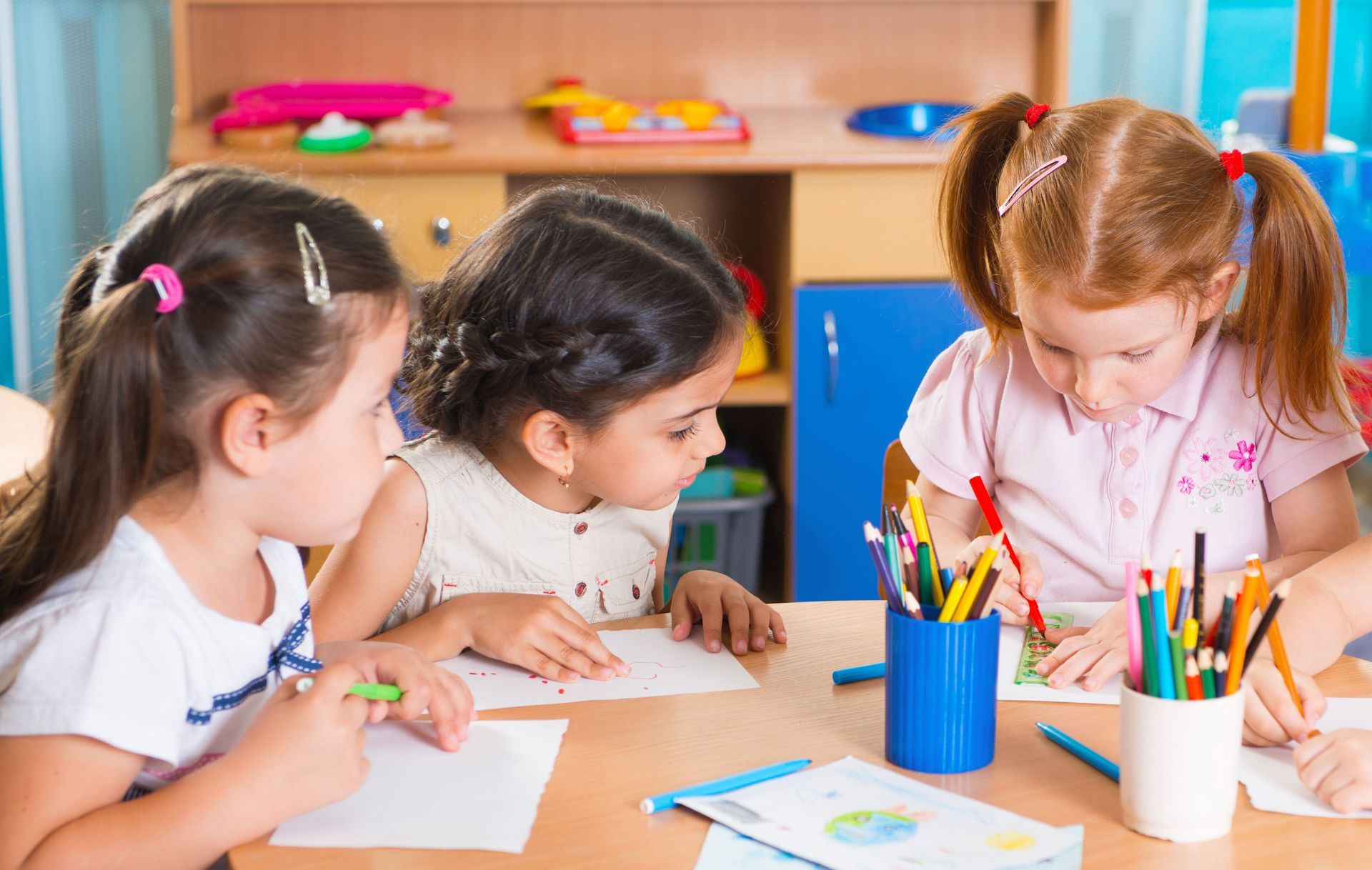
Early childhood development thrives on social exposure, as children naturally learn from watching and engaging with individuals their own age. When young learners are placed in shared environments, they encounter diverse personalities and communication styles that push them beyond comfort zones. This continuous exposure helps them understand that others have different perspectives, which is a fundamental milestone in developing cognitive empathy and conversational competence. Through daily interactions, children learn to read facial expressions, interpret body language, and adjust vocal tones to match their social context.
Within a modern childcare center, this socialization manifests during free-play periods where children must negotiate sharing toys, choosing games, and establishing playground rules. Educators frequently observe toddlers trying to use the same building blocks, stepping in not to resolve conflicts for them, but to prompt them to express desires constructively. By actively promoting peer interaction in these everyday scenarios, teachers teach children how to express boundaries, compromise, and collaborate without resorting to tears or frustration, reinforcing cooperative speech early. Such hands-on experiences transform potential conflicts into valuable learning opportunities that strengthen interpersonal bonds.
Expand Vocabulary Daily
A child's internal dictionary grows at an exponential rate when they are consistently immersed in an environment rich with descriptive words and diverse topics. Exposure to a wide variety of nouns, verbs, and adjectives allows children to move past basic gestures toward sophisticated verbal expression. When educators consciously introduce new concepts daily, they provide children with precise cognitive tools required to categorize the world around them. This deliberate linguistic immersion helps children form clear thoughts and articulate observations with precision.
Daily routines at a professional childcare center are intentionally designed to introduce novel terminology through themed lesson plans, storytelling sessions, and interactive science experiments. For instance, during morning circle time focused on weather, an educator might introduce words like precipitation or temperature rather than relying on basic descriptors like rain or cold. By expanding vocabulary daily through targeted exercises, teachers ensure that children leave the classroom with a robust command of language that empowers them to describe experiences clearly.
Encourage Expressive Language
Expressive language involves more than just reciting memorized words; it encompasses a child's ability to convey inner thoughts, feelings, and needs effectively. Children often struggle with big emotions, and learning to translate internal frustration, joy, or curiosity into coherent speech is a vital developmental milestone. When adults create a supportive atmosphere where every attempt at communication is valued, children gain the confidence needed to speak up and share unique ideas, allowing them to experiment with language without fear.
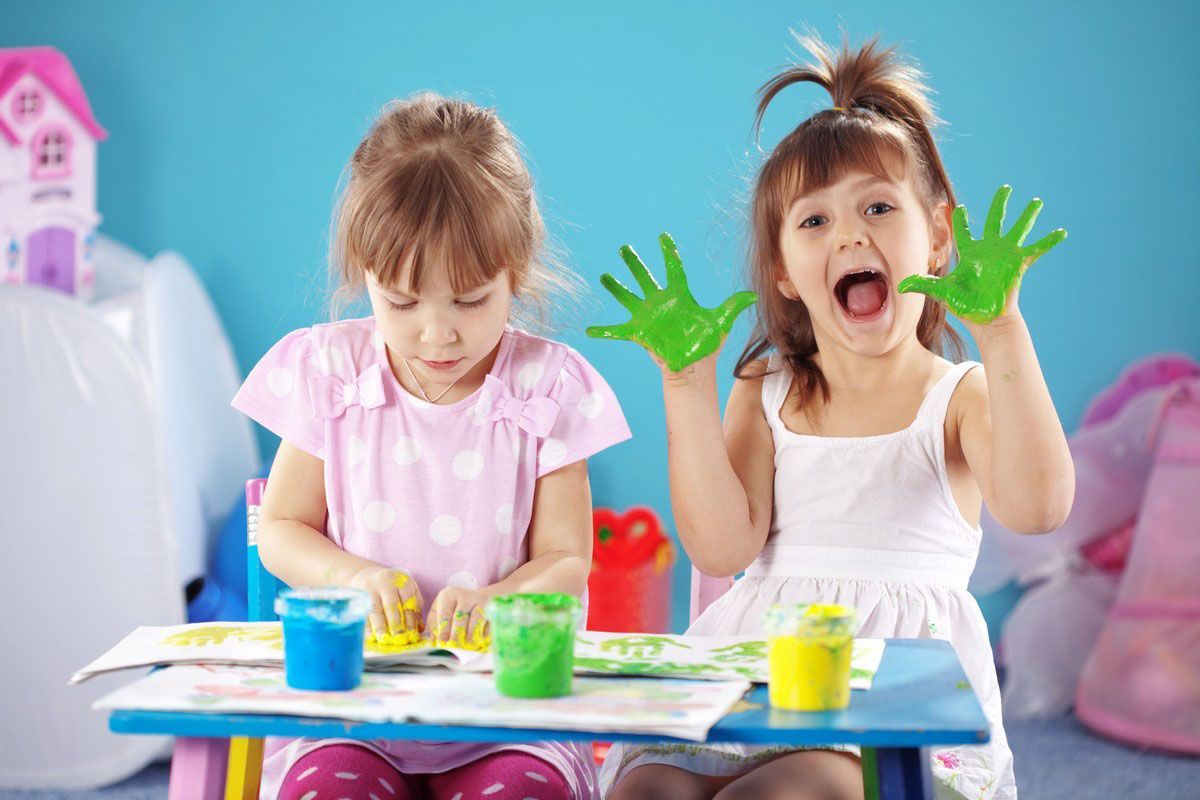
Educators at a well-equipped childcare center implement specific strategies to help children find their voices, such as asking open-ended questions rather than queries requiring a simple yes or no response. During arts and crafts, a teacher might ask a child to describe the narrative behind their painting, encouraging expressive language by prompting them to explain creative choices. This practice forces the child to organize thoughts logically, construct complete sentences, and practice articulation skills necessary for meaningful self-expression.
Cultivate Active Listening
True communication is a two-way street requiring an individual to receive and process information just as effectively as they deliver it. Developing the patience to pause, focus on a speaker, and comprehend a message before responding is an intricate skill that young children must actively practice. When children learn to listen carefully, they improve comprehension skills and show respect for peers, laying the groundwork for deep, lasting relationships that benefit them throughout life.
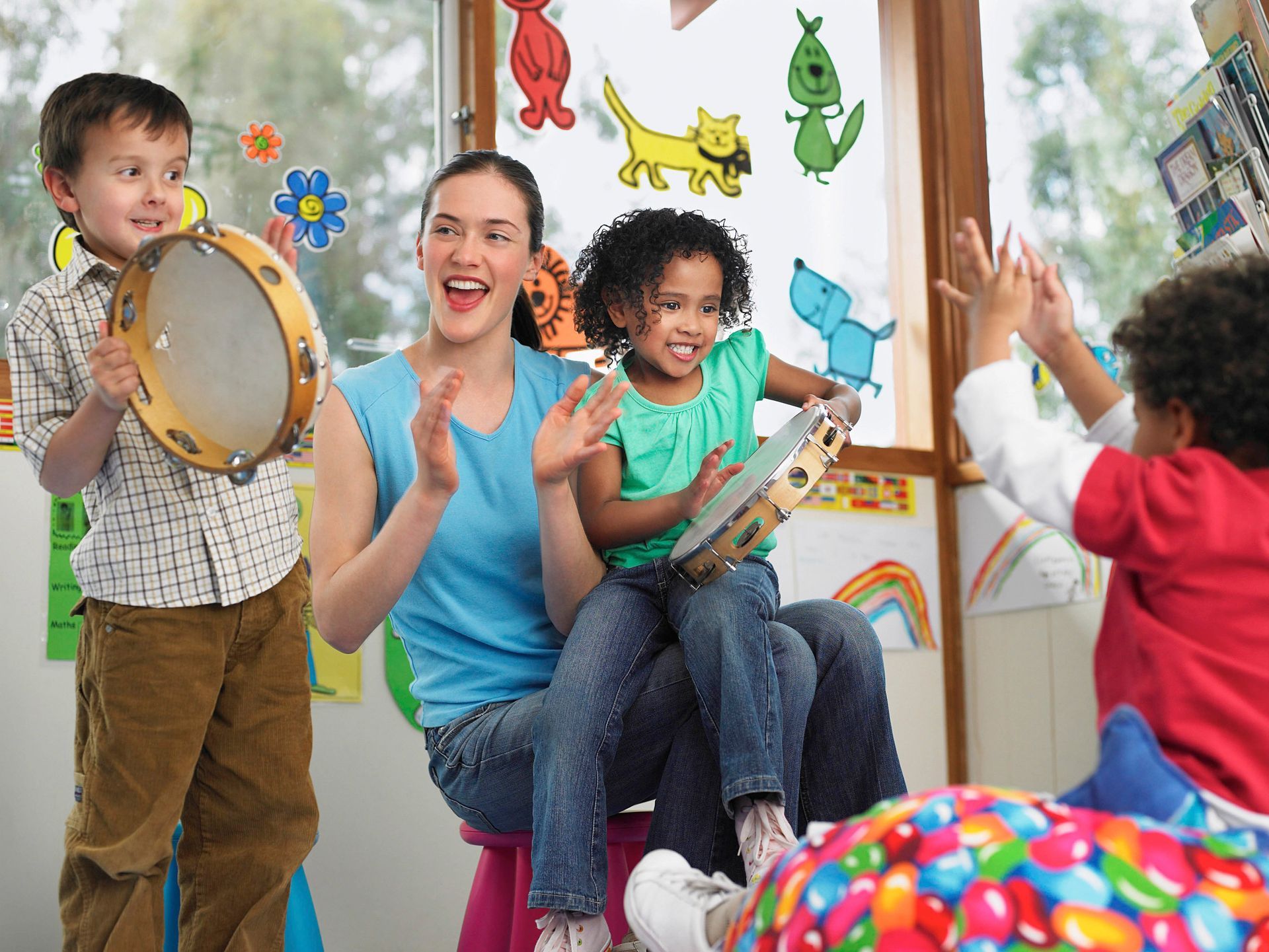
A structured childcare center fosters auditory attentiveness through engaging games like Simon Says, call-and-response songs, and interactive storytelling where children listen for specific cues to participate. During storytime, an educator might pause to ask what a character will do next based on clues read aloud, cultivating active listening. These exercises train young minds to filter out ambient classroom noise, sustain attention spans, and follow multi-step directions accurately and efficiently.
Model Social Communication
Children are natural mimics who constantly observe and absorb behavioral patterns, tones, and gestures of adults around them. The way adults speak, handle disagreements, and utilize nonverbal cues like eye contact and body language serves as the ultimate blueprint for a child's social development. Providing positive behavioral examples ensures that children absorb healthy habits for interacting with society, making these respectful exchanges an organic part of their daily communicative toolkit.
The professional staff inside a childcare center takes this responsibility seriously by consistently modeling social communication during every transition, mealtime, and staff interaction. Teachers deliberately use polite phrases like please and thank you, maintain appropriate eye contact, and demonstrate how to wait patiently for a turn to speak during group conversations. By witnessing these respectful exchanges, children naturally mimic these prosocial behaviors, integrating them into daily interactions with peers and family members seamlessly.
Structure Group Activities
Cooperative play and teamwork provide the ideal testing ground for children to apply emerging verbal and social skills in real time. Organized collective endeavors require participants to negotiate roles, share responsibilities, and work toward a common objective, which naturally sparks intense communication. These collaborative environments teach children how to navigate group dynamics, manage minor conflicts, and celebrate collective achievements, allowing everyone to feel a sense of belonging while practicing vital conversational tools.
By carefully structuring group activities such as collaborative building projects, theatrical role-play, or team-based outdoor games, a childcare center creates safe spaces for this essential experimentation. For example, during a group science activity where children build bridges out of recycled materials, they are forced to verbalize ideas, listen to suggestions, and coordinate physical actions. This purposeful orchestration of teamwork ensures that every child learns how to find their place within group dynamics while honing collaborative speaking skills.
The journey toward becoming an articulate, empathetic, and confident communicator begins long before a child steps into a formal kindergarten classroom. The multifaceted linguistic and social support provided within a dedicated childcare center bridges the gap between instinctual gestures and sophisticated verbal interaction. By immersing young learners in an environment that prioritizes conversational practice, vocabulary enrichment, behavioral modeling, and cooperative play, educators lay vital groundwork for future academic and social triumph. As children learn to express inner worlds and interpret social signals, they gain essential tools necessary to navigate our deeply interconnected society. Investing in early communication milestones ensures that the next generation grows up capable of listening deeply, speaking clearly, and building meaningful connections throughout life. Contact us at Apple Kids to discover how we can help your family.